

By Ava Peterson
Living in Shakopee, Minnesota, you’ve likely already crossed paths with artificial intelligence (AI) today—maybe without knowing it. AI isn’t just in tech labs or sci-fi movies anymore. It’s woven into daily routines across work, school, shopping, and even the way you drive or chill at home. Here’s a look at some of the most common, real-world ways AI touches life here—and how folks can stay savvy.
Behind-the-scenes helpers: Where you meet AI without realizing it
Smartphones and personal assistants
When you unlock your phone using face recognition, tap a keyboard and see predictive text, or ask Siri or Google Assistant to set reminders, that’s AI quietly working for you. These features use machine learning to recognize your style, preferences, and patterns.
Email, shopping, and what gets shown online
Your email spam filters, streaming recommendations, or online product suggestions are driven by AI analyzing behavior—in real time or through past activity. That means less time scrolling useless content and more time seeing stuff you actually want.
Travel, navigation, and local services
On the roads around Scott County, apps like Google Maps or Waze use AI to predict traffic delays, suggest faster routes, and adapt when there’s congestion. Ride-hailing and delivery services too depend on these predictions so drivers and customers get smoother experiences.
Visible tools: What you can choose to use
Smart home devices and wearables
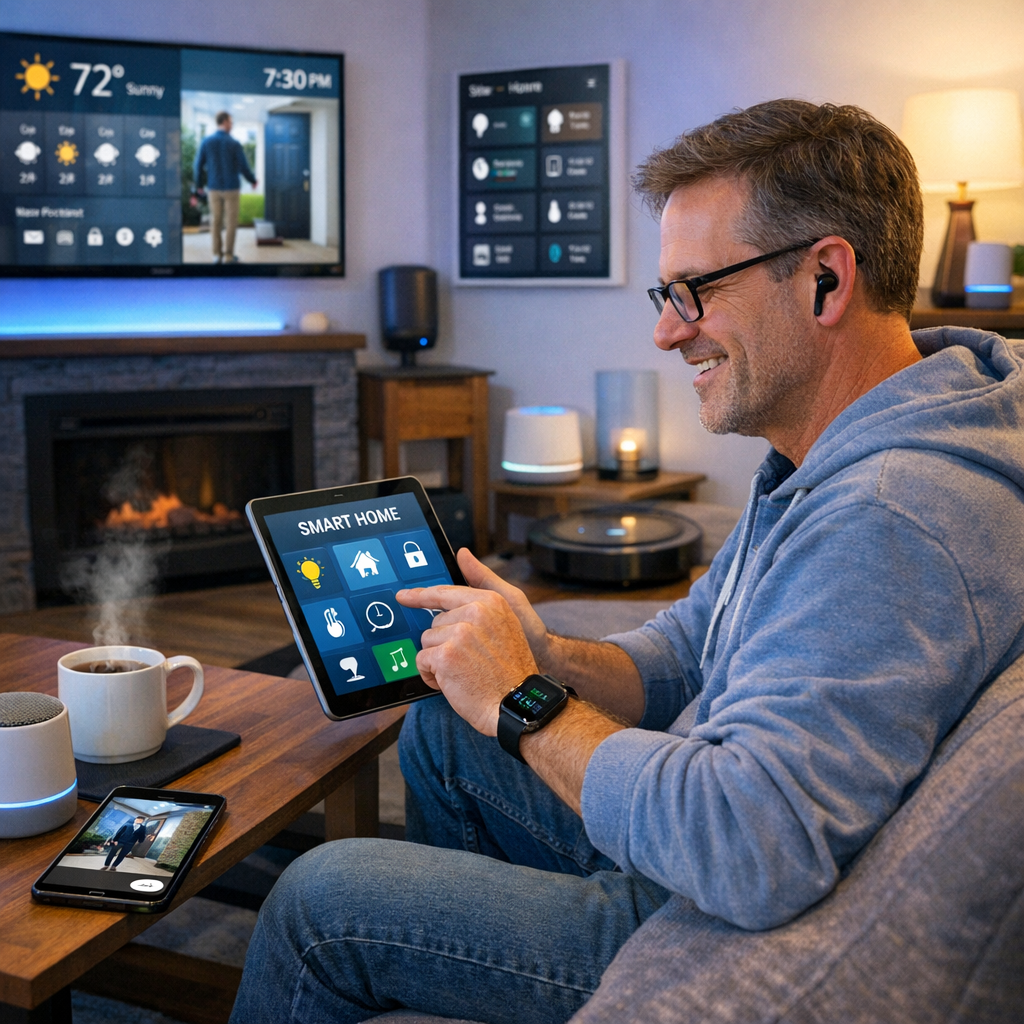
If you’ve got a smart thermostat, security camera, fitness tracker, or voice-controlled assistant at home, you’re already using AI to personalize your space, track your health, or manage energy use. These tools learn from your habits and adjust accordingly.
Creative & productivity aids
Need ideas, help writing something, or cleaning up a document? Tools like AI-powered writing assistants or summarizers can shave time off chores. For students, professionals, creators here in Shakopee, that means more energy left to focus on what matters.
What to watch out for—and what you can do
Trade-offs: privacy, bias, and oversight
AI features often require access to your data—photos, typing habits, routes, purchase history. That’s how they become smart, but it also raises questions: Who owns that data? How’s it being used? Sometimes the decisions AI tools make are opaque or unintentionally unfair. Staying informed about permissions and settings is key.
Being thoughtful in how we adopt these tools
- Review app and device permissions—not every AI feature needs access to everything.
- Use privacy features or tools that let you see or limit how data gets used.
- Ask why an AI tool is suggesting something—recommendations are helpful, but they can be shaped by what’s profitable, not always what’s best.
- Balance tech use with offline time—AI helps, but human connections and real conversations matter too.
Why it’s worth paying attention
With new tech startups south of the metro, gadget retailers in Twin Cities, and growing interest in AI applications in healthcare and education, Shakopee locals are in the right place to tap into benefits—while shaping how AI works in our communities. If we stay aware, ask questions, and use tools wisely, AI can help make life easier without giving up control.
Bottom line: AI isn’t some distant tech trend. It’s part of the car ride, the phone tap, the voice-command at home. And knowing when it shows up gives you more power to decide how it shows up.